
Perfume Class 101
Training Your Nose at the Beginning of the Year

At the start of each year, as I prepare for a new semester at ISIPCA, I return to first principles. Perfumery is often presented as a rarefied profession, guarded by jargon and mystique. In reality, smelling well is a learnable skill. You do not need to become a perfumer to train your nose. You can train it to become a sharper judge, a more articulate connoisseur, and a more attentive observer of the world.
This series, Perfume Class 101, is designed as a practical entry point. It is for beginners, curious amateurs, and experienced fragrance lovers who want to recalibrate their senses. The goal is not to memorize notes, but to learn how materials behave—alone and together—and how perception changes through contrast, dilution, and repetition.
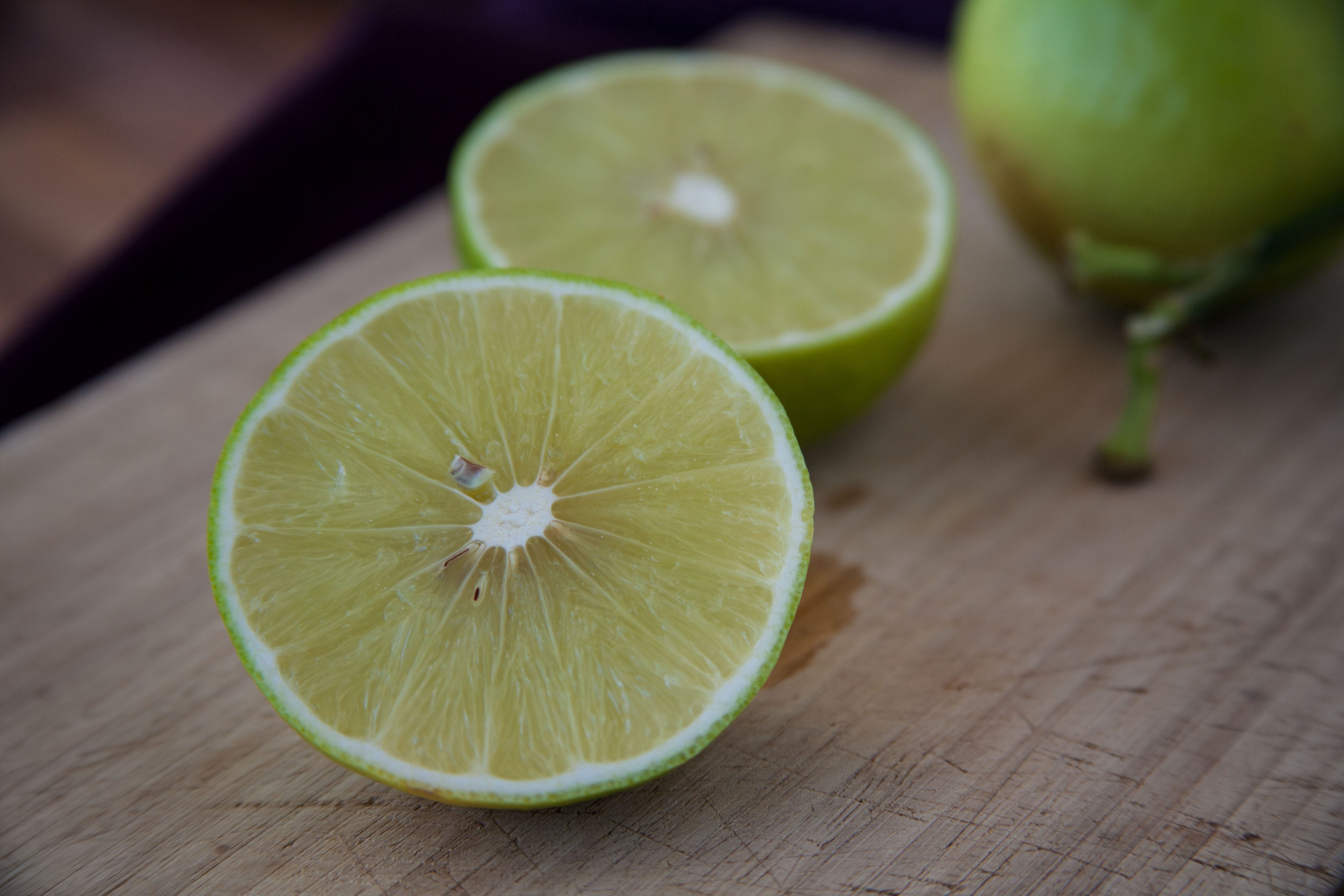
We will start with fragrance exercises. They may appear deceptively simple, but this is what forms the core of perfumery training.
What You Will Need
For the first set of exercises, we will work with citrus and citrus-related materials:
Bergamot oil
Lemon oil
Sweet orange oil
Petitgrain oil or petitgrain absolute
Perfumer’s alcohol (95–96%)
small glass bottles (30 ml each)
Blotters or strips of plain paper
A notebook
All materials will be diluted to 10%. This is essential, because we never smell materials pure. It’s a sure way to overwhelm your nose and to lose all of the nuance. 5-10% is a common dilution for most materials.
At 10%, you can smell the structure, not just the brightness of citrus. You can detect bitterness, greenness, and softness even in lemon, the sharpest of all natural citrus oils. You observe volatility and evolution. Comparing materials without olfactory fatigue becomes possible, and it’s essentially our goal.
How to Prepare 30 ml of a 10% Dilution
For each material:
3 ml aromatic material
27 ml alcohol
Combine gently. Label clearly. Citrus oils oxidize easily, so store them in a cool, dark place.
If You Prefer Drops (Approximate)
Assuming ~30 drops = 1 ml (drop size varies, but consistency matters more than precision):
90 drops material
810 drops alcohol
Do not obsess over perfection. Repeatability is more important than accuracy.
For paid subscribers, guided exercises and training notes. Please feel free to post your progress in the comments and ask questions.
Keep reading with a 7-day free trial
Subscribe to Bois de Jasmin Circle to keep reading this post and get 7 days of free access to the full post archives.