
Perfume Class 102: Accords
10 materials and 10 accords for beginners

In the first class, Perfume Class 101, we learned how to smell raw materials. I deliberately recommend starting only with 10 ingredients to develop your skills at smelling, finding nuances and understanding how materials interact. The process also helps us to build a vocabulary, a way to describe our impressions. For this reason, writing down your sensations as you work is a key part of this training program.
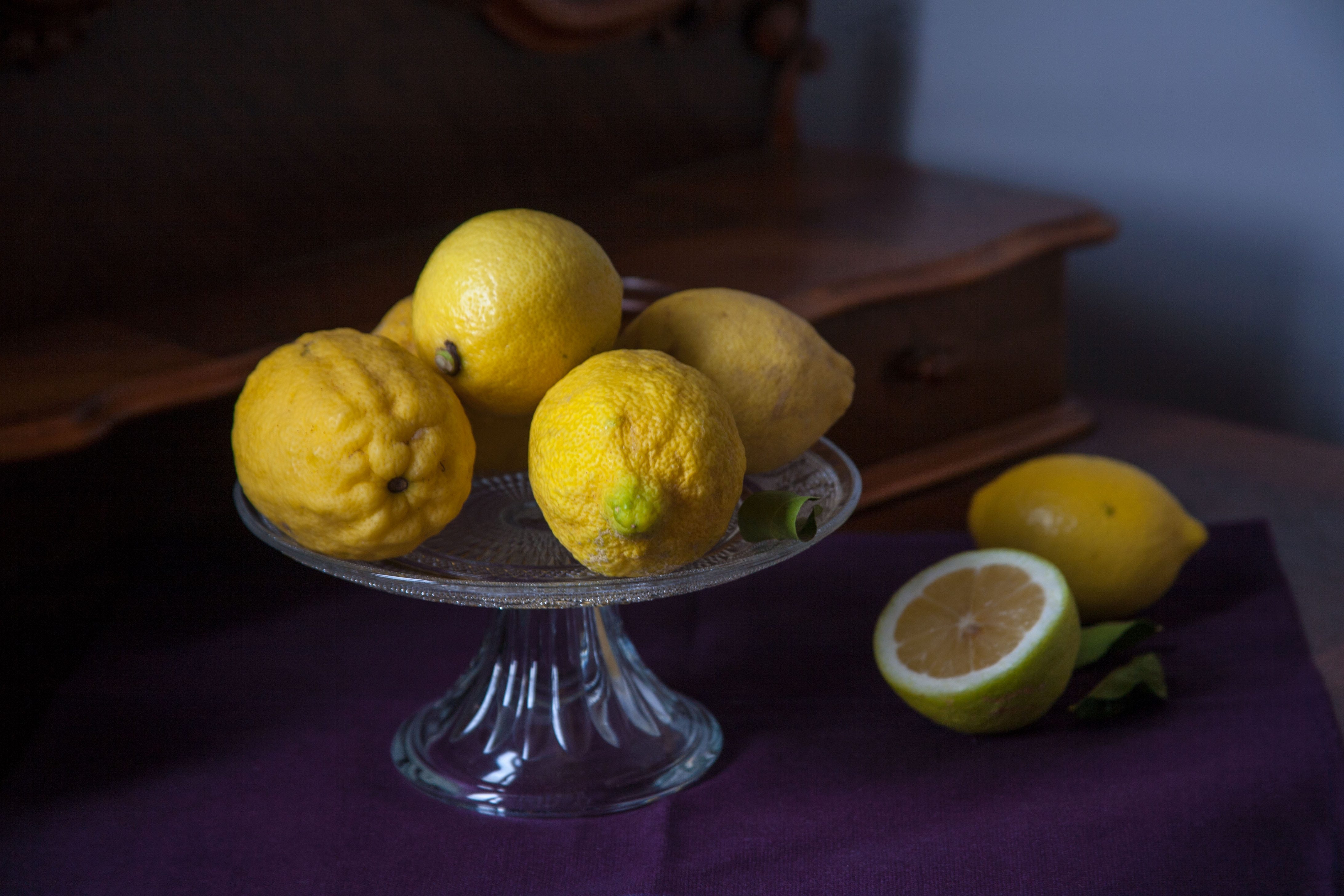
This second class is about structure. Before complexity, before signature, before “style,” a perfumer must understand how materials behave together. Blending simple accords trains the nose to recognize interaction: what lifts, what blurs, what dominates, and what disappears.
I will focus this lesson on ten simple citrus–fresh accords, built from a small, controlled palette. As always, I start by giving basic guidance and the formulas. I recommend that you blend the formulas first and then read my notes. For this reason, I will keep the notes separate at the end of the lesson.
For paid subscribers, formulas for 10 accords to study different aspects of structure.
Keep reading with a 7-day free trial
Subscribe to Bois de Jasmin Circle to keep reading this post and get 7 days of free access to the full post archives.