

At sunrise, women walked from the surrounding villages under the threat of drones to sell apricots, strawberries and cucumbers at Kramatorsk’s central market.
By afternoon, volunteers were boarding up windows in apartments shattered by another strike. The destruction looked apocalyptic, a maelstrom of broken brick and concrete. Yet in one ruined home, a crystal chandelier still hung intact. In another, stacks of porcelain cups and plates stood untouched beneath a layer of dust.
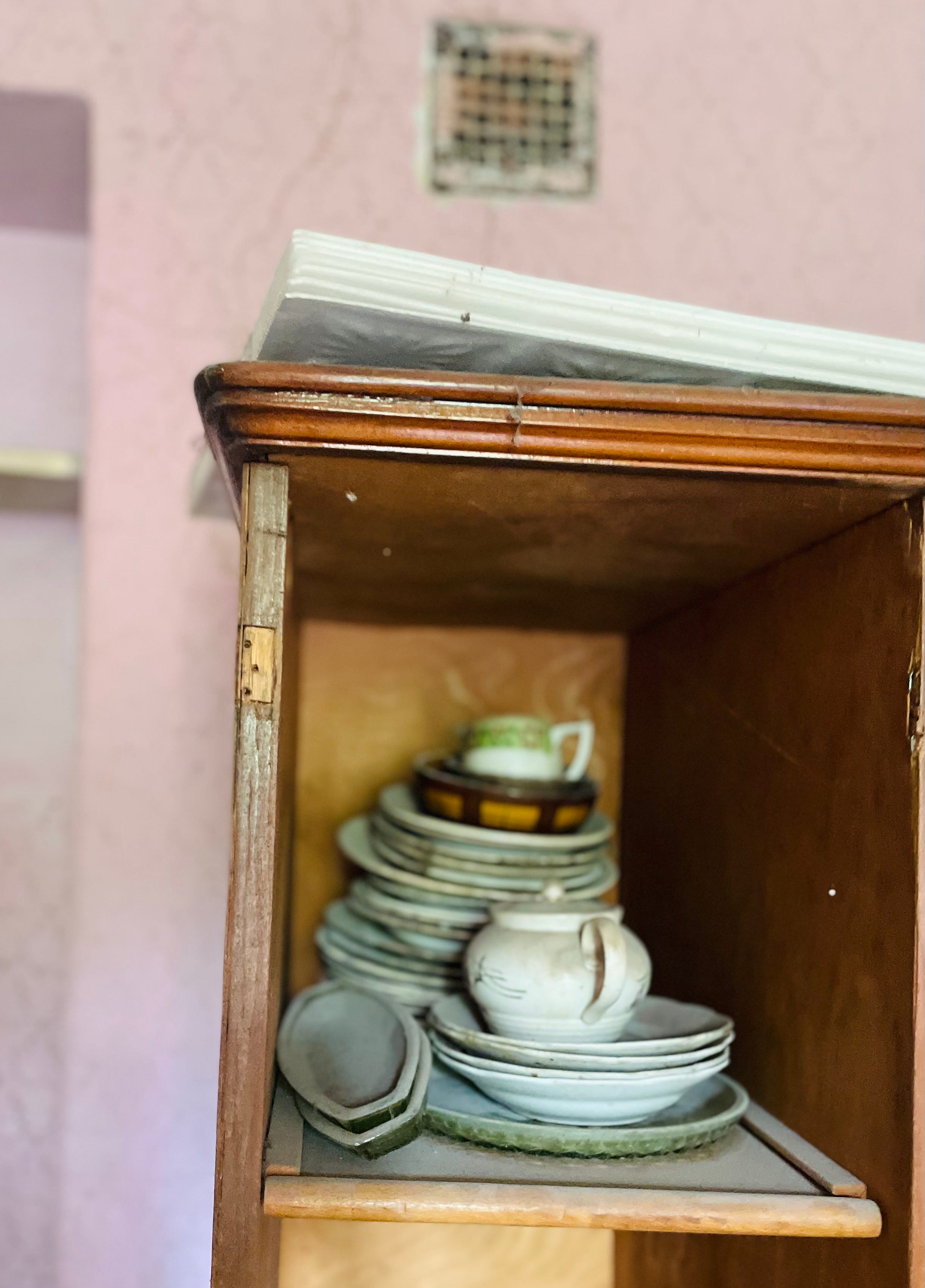
War has a strange way of destroying almost everything while leaving behind small, inexplicable proofs of life.
Tonight, after a day of smoke, broken glass and splintered wood, I found myself thinking of Italo Calvino. He wrote that our task is to recognize what, in the midst of hell, is not hell, and to make it endure.
I don’t deny the existence of hell.
I walk through burned apartment blocks. I spend six hours in a barn with decomposing bodies. I ride roads hunted by FPV drones. I see people burned alive, families displaced, cities erased.
I acknowledge hell, but I refuse to let it define the whole landscape.
I keep finding life here in roses blooming beside ruined buildings, or in women risking drones to bring apricots to market, or volunteers repairing shattered homes, and in the insistence that ordinary life is still worth living.
When I came home, I felt strangely light. As if, after everything I had seen, I were walking through my apartment and rose petals were falling from me instead of ashes.
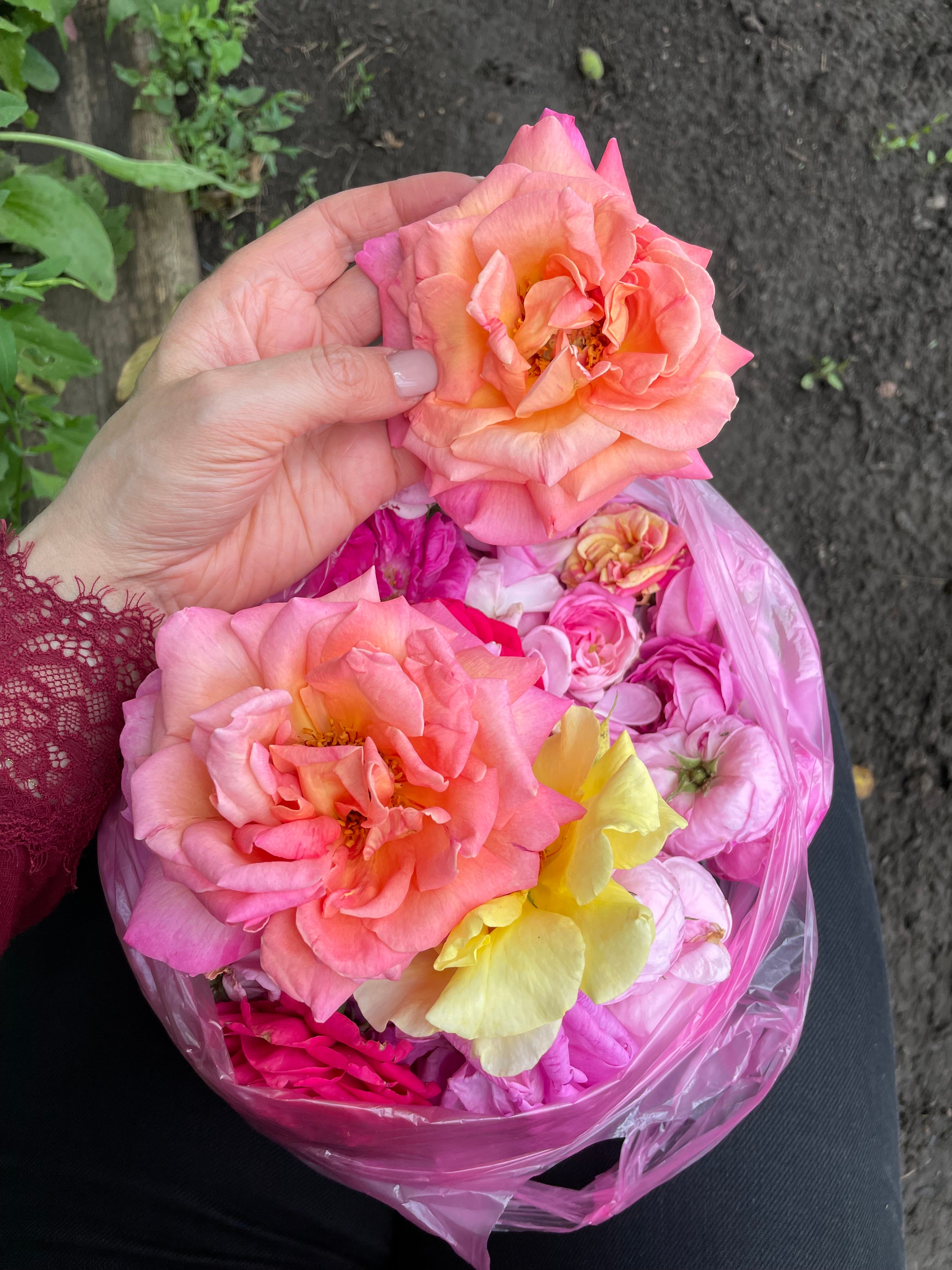
Hope, I think, is not the absence of destruction. It is the relentless return of beauty despite it.
It wasn’t the easiest day.
But it was alive.
This personal chronicle is, at once, boldly inspirational and quietly humbling. I appreciate your grace as you navigate this impossibly challenging reality. 🇺🇦🩷
Sending you love and courage.
Please, keep on shedding rose petals.......this post certainly was one.