
Odesa to Versailles
The portrait of two cities via scent and taste

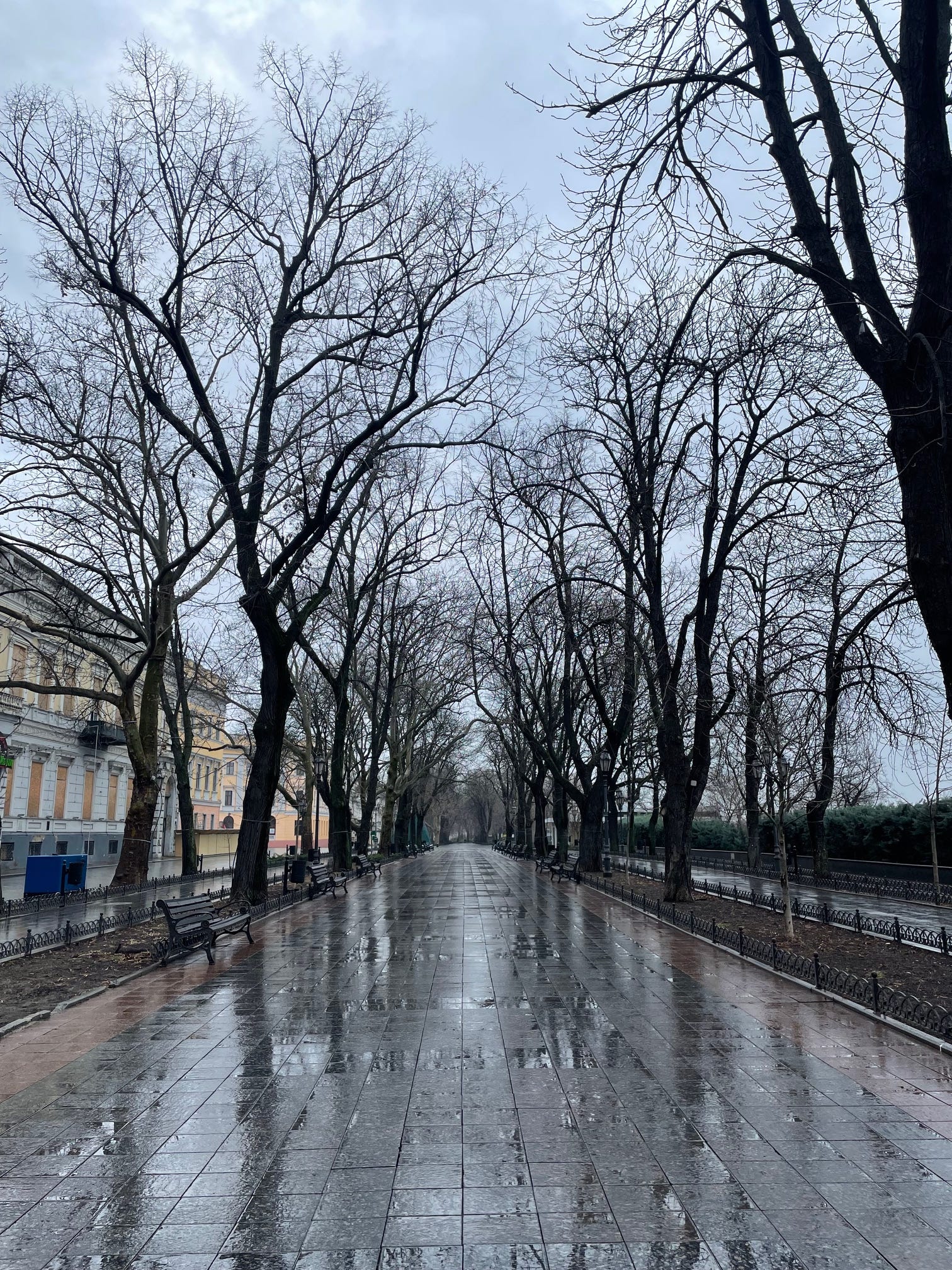
The other morning, hurrying along a boulevard in Versailles on my way to teach an early seminar, I caught myself thinking of Odesa. It happened when I rushed past the gilded palace with a long queue of visitors and entered into the wide avenues of the commercial district. I looked at the rows of plane trees, winter flower beds, and pale façades of old mansions worn smooth by time and the resemblance to the city on the Black Sea coast startled me. It was as if I recognized a familiar face in a stranger.
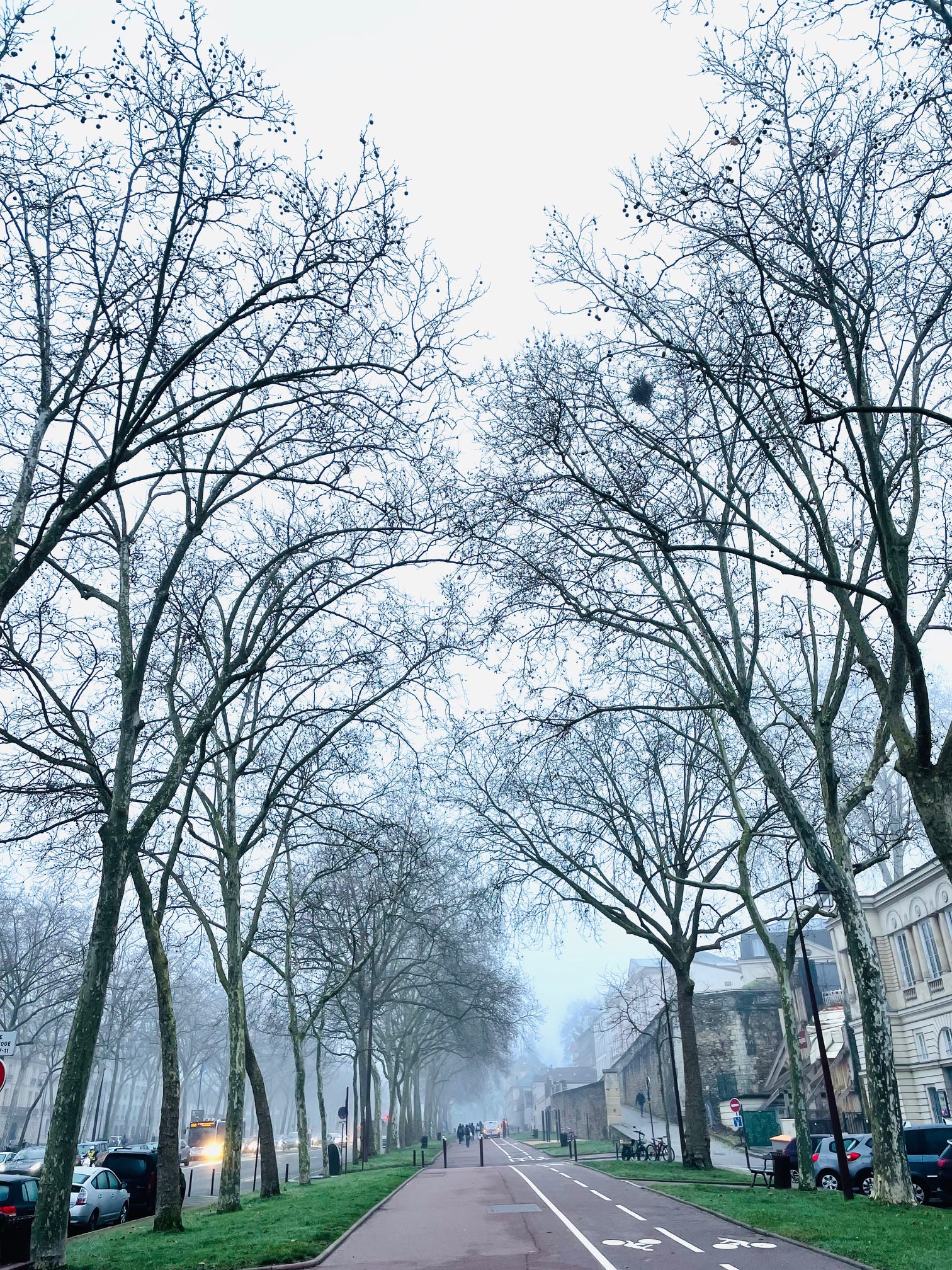
The Versailles-Odesa connection is not as random as it seems. Odesa was established at the end of the eighteenth century and shaped decisively in the early nineteenth by Duke de Richelieu as a Mediterranean-style port on the Black Sea. Odesa is a city of mixtures: French flair, Greek and Italian echoes, Jewish courtyards, imperial ambition, maritime pragmatism. A port city always absorbs more than it can fully assimilate, and Odesa is a perfect example of such an amalgam.
Versailles, by contrast, is a city born of design. It exists in the long shadow of the château, its geometry and authority radiating outward into the town itself. Yet when you step away from the palace, Versailles reveals another personality: modest beige buildings, discreet gardens hidden behind iron gates, and a colorful market that spills across the main square in the morning. On certain winter days, when a pale, opalescent fog settles over the streets, the resemblance to Odesa becomes uncanny.
One crucial difference between the two cities is their scent.
Odesa breathes with the sea. Even in winter, the air carries salt, the mineral tang of driftwood, and the sweet algae. The smell of Odesa is expansive and restless, and much like the sea washing its shores, it never quite settles. It reminds you that the city is open, vulnerable, exposed to forces larger than itself.
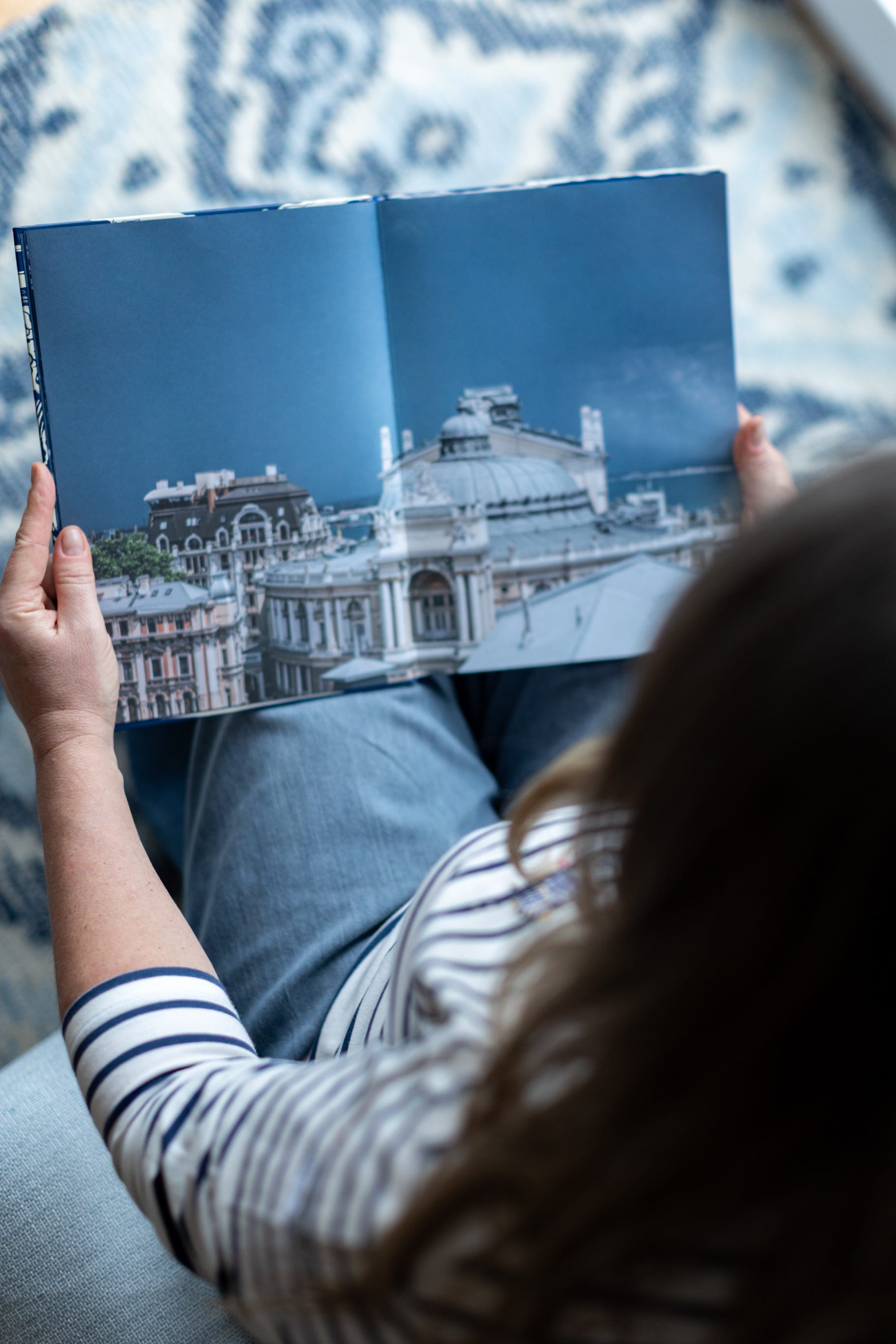
Step away from the sea, and you realize that Odesa’s scents are inseparable from its kitchens. My friend Maria Kalenska wrote a beautiful book, Cuisines of Odesa: Recipes and Stories from Ukraine’s Historic City. Her recipes range from soups embellished with herbs and spiced salads to eggplant in many guises and baroque desserts. This is a cuisine shaped by scarcity and abundance alike. It carries the same vibrancy as the port itself.
Versailles smells inward. Its air is dense with damp stone and fallen leaves, with earth turned heavy by rain. In the early days of winter, there is also mimosa—sold in generous yellow bunches at street corners—its powdery brightness illuminating the grey dusk. The scent here feels curated, even when it is natural.
As I walked, I found myself jotting down these impressions almost instinctively, the way one does when something risks slipping away. Salt, wet limestone, seaweed. Moss, autumnal leaves, mimosa. Hazelnuts, caramel and coffee. I was not simply comparing two places; I was trying to understand what they had given me. As a perfumer, I am trained to observe structure beneath sensation, to ask how something is built and why it moves me. How would one bottle Odesa without taming it? How would one translate Versailles without turning it inert?
As a writer, I look for meaning and symbols. Both cities are part of me, not as destinations but as states of being. Odesa carries loss, resilience, and the rawness of history lived in real time. Versailles offers order, reflection, and a certain sheltering calm. One teaches me to surrender to life; the other to stay poised. Between them stretches my own trajectory, from a perfume professor to a war reporter.
Smell, more than sight, holds these contradictions. It is the most intimate of senses, the one least willing to be abstracted. As we inhale, scent becomes a form of memory that is alive and shifting with each breath.
Perhaps that is why I keep returning to these sensory maps of place. Not to preserve cities as they are, but to acknowledge how they influence me. If perfume is a way of thinking, then these walks between Odesa and Versailles are conversations.
In the end, we all inhabit such in-between spaces, and scent is one of the few languages capable of holding them intact.

Note: Cuisines of Odesa: Recipes and Stories from Ukraine’s Historic City by Maria Kalenska is available to pre-order. A beautiful map of the city through its flavors and tastes.
Images: 1) Versailles, 2) Odesa, 3-4) Cuisines of Odesa book by Maria Kalenska.
Hello Victoria, I apologize for posting on something not related to your post, but would you please tell me how I can obtain a copy of your book The Rooster House?
Thank you,
Jane
So very interesting your comparison of the two. London and Boston are quite similar in my mind for the mix of old and new. London is less cohesive and of course far older.